
Marketing 101: How to Turn Emotional Data Into Action
Most marketers find it easy to work with cognitive data because it leads to clear and familiar actions. If awareness is low, increase exposure. If understanding is weak, refine your messaging.
Emotional data does not always provide that same level of almost transactional certainty. When emotional insights surface, the question is not always what they mean but how to use them. Emotional learning has simply not been part of traditional marketing training in the same way that cognitive learning has.
Why Emotional Data Can Feel Harder to Apply
Cognitive data explains what customers know or believe, and emotional data explains how experiences make customers feel and tells us what those feelings cause them to expect next. Those expectations shape future behavior long before a conscious decision is made.
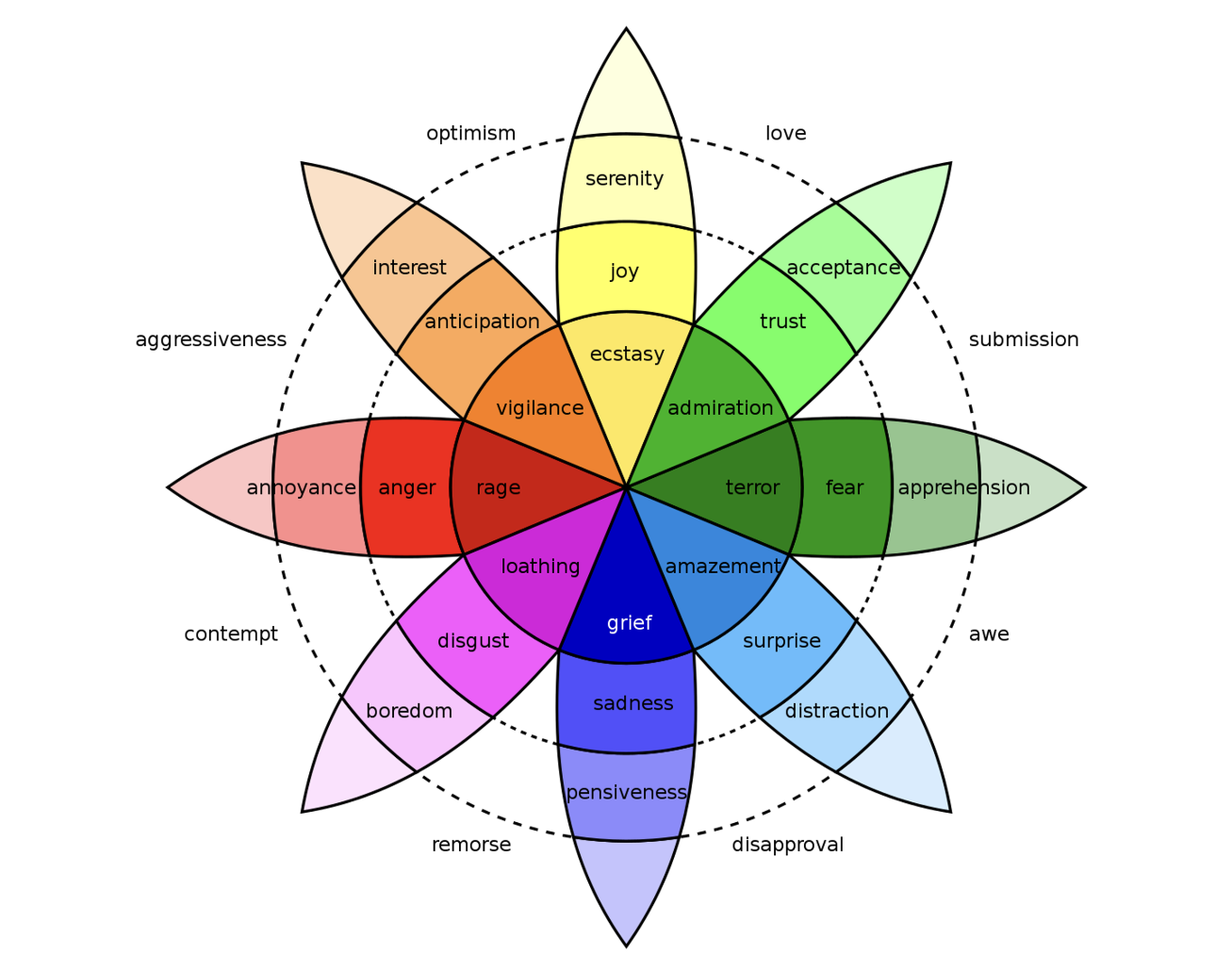
This is where things often become uncomfortable for marketers. Emotions do not come with a checklist of fixes. Trust cannot be added the way information can, and anticipation cannot be forced through repetition alone. While surprise may earn attention, attention does not automatically translate into confidence. Without a clear framework, emotions can seem abstract. This leaves marketers wondering how to actually apply this to their strategy.
Marketing 101: Turning Insight Into Action
Emotional data becomes actionable when it is applied where expectations are formed and reinforced. In practice, there are three areas where marketers can start using emotional insight without overhauling their entire strategy.
1. Content and Messaging
Cognitive messaging focuses on clarity and persuasion. Emotional messaging focuses on reassurance, momentum, and belief. The difference shows up not in what is said, but in how consistently a brand signals what customers can expect next.
A good example of this is surprise. Unexpected messages, bold claims, or novel formats can capture attention quickly. However, over time, a heavy reliance on surprise can introduce uncertainty. Customers may pay attention, yet they do not always feel confident returning until the brand gives them a reason to turn these good surprises into anticipated experiences. Emotional data helps marketers understand when to shift from capturing attention to building stability. This ensures messaging reinforces confidence rather than unpredictability.
2. Customer Journey Optimization
The customer journey is where emotional expectations either strengthen or can quickly tank. Traditional customer journey mapping focuses on steps and touchpoints. Emotional data adds context by revealing the internal state of the customer at those important moments. Delays, friction, or silence can do more than slow progress. They shape emotional memory, shifting expectations.
Emotional insight helps teams identify moments where confidence drops or hesitation increases. Optimizing the journey then becomes less about adding features and more about reinforcing emotional continuity. This is achieved through clear transitions, predictable timing, and consistent communication that reinforce and deliver on the customer’s emotional needs.
The result of this is not only a smoother customer journey, but it’s a customer who feels secure in continuing forward.
3. Product Development and Customer Experience Strategy
Products and experiences create some of the strongest emotional expectations a brand has because they are repeatable and tangible.
New features generate excitement, but this is only the beginning. Over time, customers look for reliability. They want to know what using the product will feel like tomorrow, not just today.
When marketers apply emotional data, they stop chasing novelty and start designing for emotional permanence. If data shows users feel anxious during a specific update, the action is not just to add a help button. The strategy should be to redesign the interaction to signal competence and stability, helping customers anticipate positive experiences
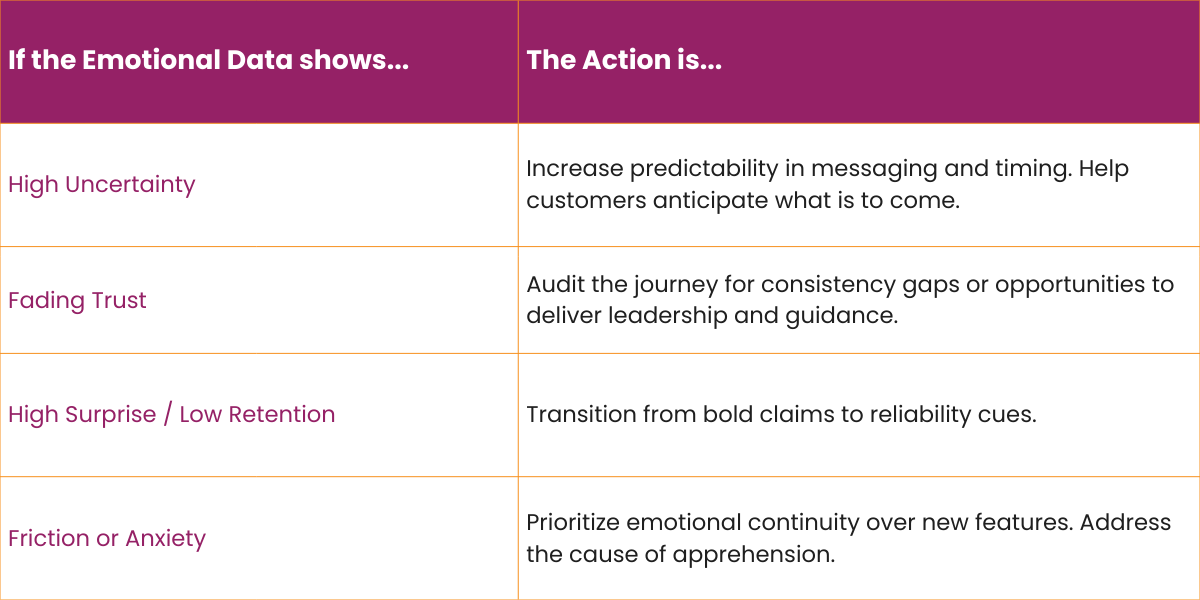
The Action Plan
Consider these shifts in how you approach your data to bridge the gap between insight and execution.
How The Rational Heart Can Help
The Rational Heart helps brands move past the "so what" of emotional research. We work with teams to interpret emotional data in ways that directly inform messaging, journey design, and experience strategy.
Strategy becomes clearer, and confidence grows stronger when emotional learning becomes part of everyday decision-making. The Rational Heart is here to help if you are ready to turn your emotional insights into a competitive advantage.
At The Rational Heart, we understand that emotions are at the core of successful business strategies. Consumers make decisions influenced by both logic and emotion. By quantifying emotional responses through our proprietary behavioral economics approach, we provide your business with a strategic advantage. Trust in The Rational Heart to turn emotional insights into impactful business strategies. Contact us today to discover how we can help your business thrive!